Politics worldwide has a trust problem. Politicians are right down the bottom of the trusted profession list, along with estate agents and car salesmen. Nurses are at the top, not least because their job security doesn’t depend on convincing us other nurses are terrible.
But that’s what politicians do every day, attacking our trust in the other side.
This trust problem is stopping parliament from addressing so much of the suffering and difficulty in our society.
I’m a psychotherapist. Trust problems are my thing. People in my practice get better as they rebuild trust: in their minds and bodies, in their relationships, in their households.
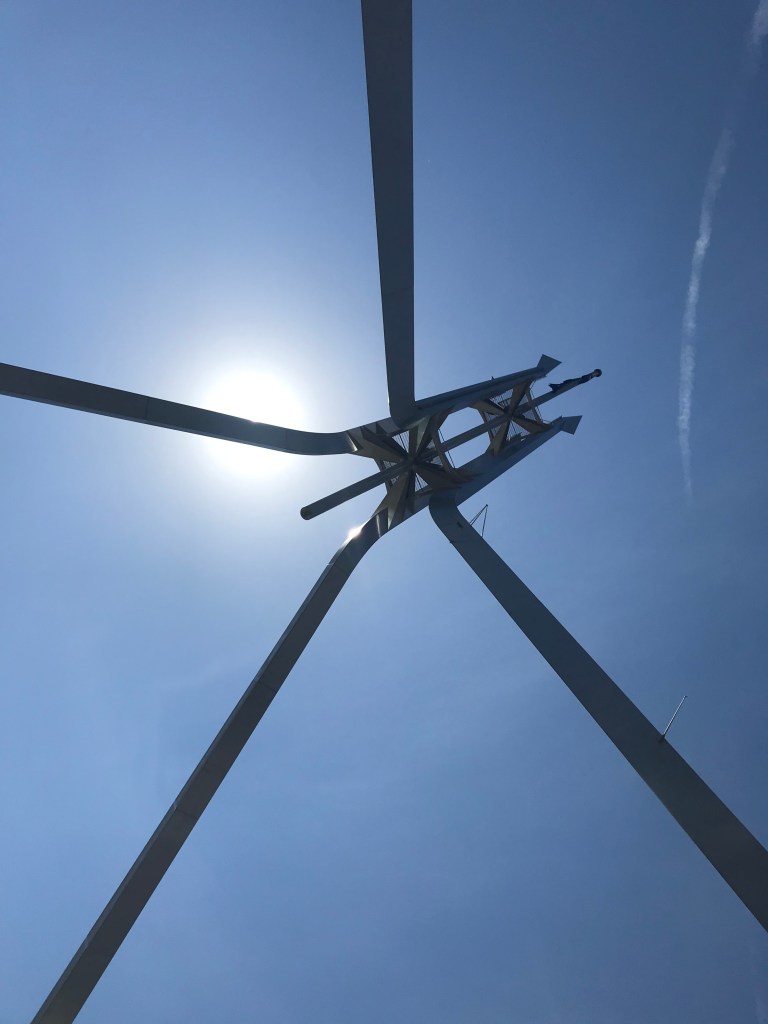
The household I most wish would get it together sits on a hill in Canberra.
As in most households, there’s a lot of hard work done with good intention, a lot of care. But unlike most households, in which we get to keep our dirty laundry private, this one has our political media – for their job security – running the dirty laundry up the flagpole!
Do not trust this place, that says.
I’m drawn to households like this, it’s why I do what I do. I love the challenge of finding the heart of things, locating the suffering and the strength, and rebuilding trust.
So I want to show you how 4 tools from the well-worn therapy toolkit could rebuild trust in the household on the hill.
- Stop The Abuse
We can’t progress much in therapy while abuse is going on, because it’s not yet safe to think. A good example of abuse that parliament can stop is the buying of power. This includes political donations, paid lobbying, cash for access and excessive media ownership. Many have called for this change, calling it out as corruption. But to address the trust problem, it might help to call it what it is in relationship terms. It’s abuse. And we can stop it.
- Seek Engagement
Once it’s safe enough to think together, we need to get together often enough to work on the thorny household issues. We need to see the details and also stand back for the bigger picture. For actual households this is most effectively done weekly over a year or two. An equivalent of regular therapy for a public that’s lost trust in its parliament would be jury-style citizen review of legislation. Sure, most of us would sigh loudly when our number came up to go and sit in a room with 11 other citizens for a day each parliamentary term, but it would ensure that all legislation passed the pub test – the public plain language review test. It would keep us engaged, and deepen our appreciation for what the politicians actually do.
- Allow Time
Good therapy does not happen overnight. But it doesn’t usually take decades either. There’s a sensible medium, that’s neither too short to get anything done nor too long to be feasible. The same goes for our parliamentary terms. Currently no one can plan anything that requires vision, because we don’t trust our politicians enough to let them have 4 or 5 years to see careful change through. Imagine all that money spent on advertising, t-shirts and umbrellas every 3 years, being used for planning and follow-through of projects the community actually needs?
- Bring The Kids In
Parents in conflict are too often unable to hear the views of their kids, the people who have to live longest with whatever the household doesn’t manage to sort out. When we do bring them in though, it’s remarkable how healing it can be; their voices can reach something within warring parents that nothing else can. And that can build trust. So let’s lower the voting age, and add the voices of youth to so many of our difficult debates.
Granted, this household intervention would be tough. That’s a lot of change I’m suggesting, I know. But politicians know about tough, they are always telling us people are “doing it tough”, meaning “so vote for me”.
Tell you what, I’ll vote for you if you can do it tough, and make these brave, much-needed changes in the household that was built for all of us.
And if that’s just too hard for you, and you’d rather retrain and be a nurse, I’ll understand.
People love nurses.
 My Doctor's Handwriting
Lowering the voting age is a brilliant start. Young people are often not afraid to challenge the status quo. And going by the success rate of the adult worlds’ ability to destroy our youngest citizens future living environment, access to future affordable housing, economic security etc etc, they have a right to have their voices heard. I would go further… “out of the mouth of babes”! Deeply listening to what children and even infants tell us opens up rich opportunities to reflect on what they are telling us now, and what they will tell us in the future about how well we are safeguarding their futures.
LikeLike